
Missing information?
Do you have any additional information you would like to share about a soldier?
Submit- Full
name
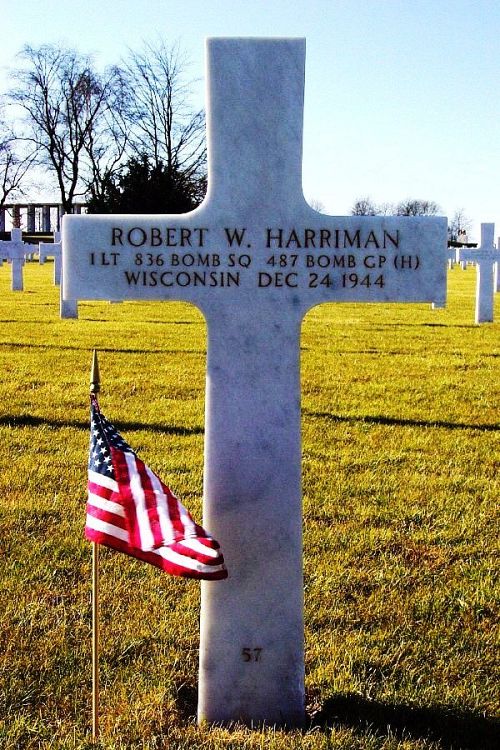
HARRIMAN, Robert W "Bob" - Date of
birth
13 June 1921 -
Age
23 -
Place of birth
Dane County, Wisconsin -
Hometown
Dane County, Wisconsin
Personal info
Military service
- Service
number
O-695257 -
Rank
First Lieutenant -
Function
Pilot -
Unit
836th Bombardment Squadron,
487th Bombardment Group, Heavy
-
Awards
Distinguished Flying Cross,
Purple Heart,
Air Medal with 2 Oak Leaf Clusters
Death
-
Status
Killed in Action - Date of
death
24 December 1944 - Place of
death
Close to Castle Englebertmont
Rotheux-Rimière, Belgium
Grave
-
Cemetery
American War Cemetery Henri-Chapelle
| Plot | Row | Grave |
|---|---|---|
| G | 7 | 57 |
Immediate family
-
Members
Harry W. 'Win' Harriman (father)
Amy B. (Oliver) Harriman (mother)
Albert O. Harriman (brother)
Ruth A. Harriman (sister)
Plane data
- Serial
number
44-8444 -
Data
Type: B-17G
Nickname: Treble Four
Destination: Babenhausen, Germany
Mission: Bombing of the airfield
MACR: 11552
More information
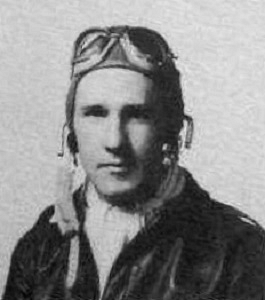
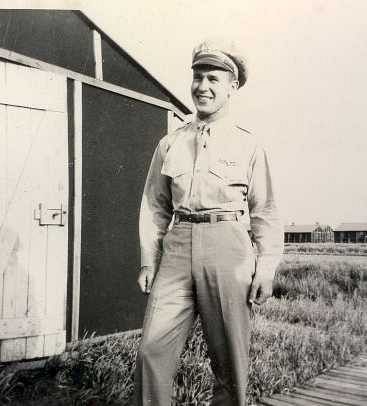
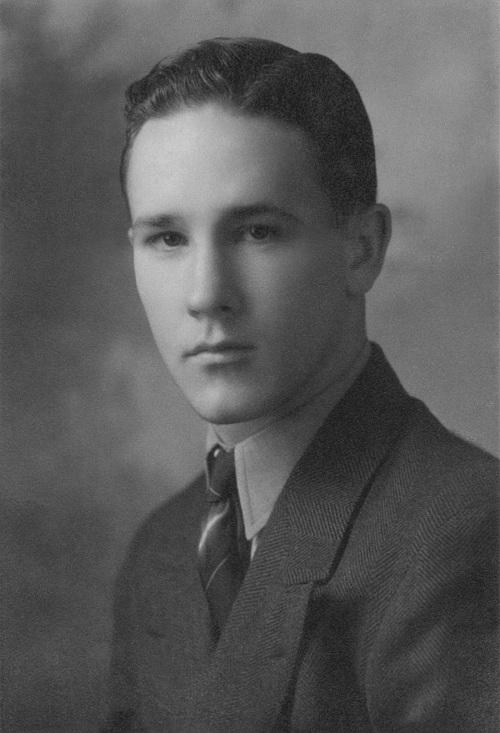
Lt Harriman completed two years of college. He joined the Air Corps of the U.S. Army Reserve in Madison, Wisconsin on 8 July, 1942. He began his pilot training in U.S. Army Air Forces Class 43-J at Randolph Field in San Antonio, Texas. He completed the next phase, Primary flight training, at Fred Harman Training Center at Bruce Field in Ballinger, Texas, where he flew the Fairchild PT-19 training aircraft. He completed the course in October 1943, and received his wings and Second Lieutenant's commission on 3 November 1943.After he earned his wings, he went on to a period of Transition training in the B-17, in order to qualify as pilot in command for that aircraft type. He was then assigned a crew, and completed B-17 crew training in the States.
The mission fell fifteen minutes behind schedule because of problems assembling the massive force, and the 487th missed its rendezvous with escorting P-51 fighters because the fighters were late in arriving due to the weather. The lead bomber also experienced an intermittent problem with one of its four engines and was attacked by German ME-109 fighters while still over Allied-held territory in Belgium.
The plane fell away from the formation almost immediately and Brig Gen Castle instructed the deputy commander by radio to take over the lead. The B-17 struggled with control and moved some distance away from the protection of the bomber force, where it was again attacked. The pilots attempted to return to the bomber column but a third attack set both engines on the right wing on fire. Castle ordered the bomber abandoned but it spun into a dive. The pilots recovered from the dive and seven of the nine crewmen parachuted. The pilot was observed in the nose of the airplane hooking on his parachute, with Castle still at the controls, when the fuel tank in the burning right wing exploded, putting the B-17 into a spin from which it did not recover.
Of the ten crew members, six survived the crash.
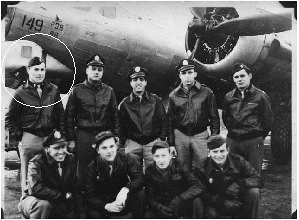
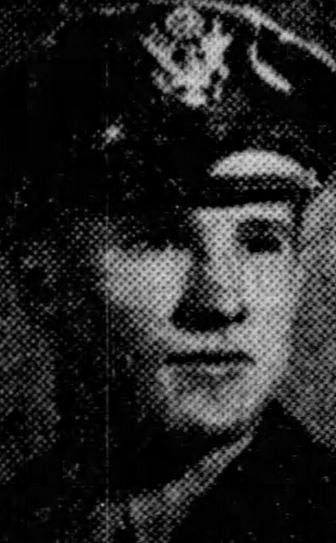
Source of information: Peter Schouteten, Rik Verhelle, Terry Hirsch, www.archives.gov, www.wwiimemorial.com, The Cadet: Class 43-J, the class book for Primary pilot class 43-J, www.ancestry.com - U.S., Headstone and Interment Record
Photo source: Rik Verhelle, www.findagrave.com - Paul Webber / James L. Copps, his nephew